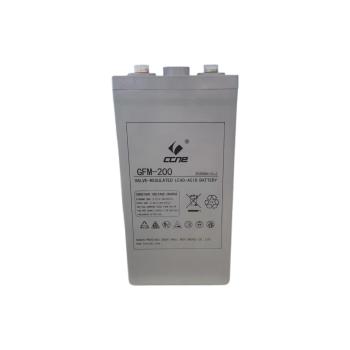
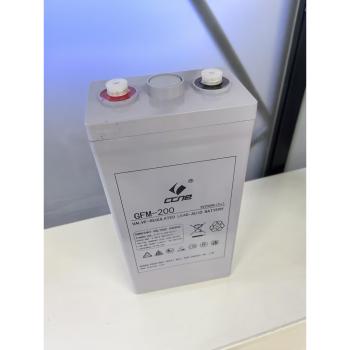
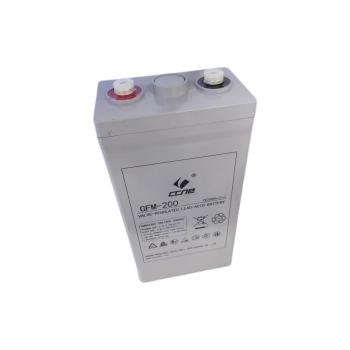
I. Core Product Features 1. Material and Structural Advantages • Plate Technology: High-tin multi-element lead-calcium alloy grids are used, providing superior electrical conductivity and corrosion resistance; imported graphene is added to the active material as a conductive agent, significantly improving charge-discharge efficiency and cycle life. • Sealed Design: High-temperature curing process combined with a fully sealed structure eliminates the need for electrolyte refills during use. It produces no acid mist emissions, is corrosion-free and pollution-free, achieving true maintenance-free operation. • Cycle Performance: Excellent deep-cycle discharge performance with a high number of deep discharge cycles. It accepts 0.2C10 high-current charging, effectively shortening the charging time. • Environmental Adaptability: Wide operating temperature range, maintaining strong discharge performance even in low-temperature environments to meet demanding working conditions.
2. Safety and Environmental Protection Features
·Built-in safety valve and leak-proof structure to prevent electrolyte leakage and gas expansion risks.
·Complies with environmental protection standards; the battery is recyclable, with no risk of heavy metal pollution.
·Flame-retardant casing and explosion-proof design ensure safe operation under extreme conditions.
II. Main Application Scenarios Suitable for backup power and energy storage systems in the following fields: • Telecommunications: Railway communication, mobile communication, and mining communication base stations • Electric Power: Power substations, wind/photovoltaic energy storage systems • Commercial & Civilian: UPS uninterruptible power supplies for hospitals, banks, and data centers • Industrial: Emergency lighting, security systems, and industrial control equipment
III. Operation Instructions 1. Installation Requirements • Installation Environment: Well-ventilated, clean, and dry, away from direct sunlight and high-temperature heat sources. The recommended ambient temperature is 20℃~25℃. • Installation Method: Can be placed upright or horizontally; inversion is strictly prohibited. Maintain a spacing of ≥10mm between battery cells for heat dissipation. • Wiring Specifications: Securely connect the positive and negative terminals to avoid short circuits. Use insulated tools to prevent electric shock. 2. Charging Specifications • Standby Use: Charging voltage: 2.27V~2.30V per cell (at 25℃). Long-term float charging can extend battery life. • Cycle Use: Charging voltage: 2.40V~2.45V per cell (at 25℃). The initial charging current shall not exceed 0.2C10 (approximately 40A for the 200Ah model). • Temperature Compensation: For every 1℃ change in ambient temperature, the float/cycle charging voltage should be adjusted accordingly (approximately -3mV/℃/cell). 3. Discharge and Maintenance • Discharge Current: It is recommended not to exceed 0.3C10. Avoid deep over-discharge (a discharge depth >80% will accelerate life degradation). • The battery must be fully recharged within 24 hours after discharge to prevent plate sulfation. • Regular Inspection: Check the battery pack voltage and connection status every 3~6 months. Clean the terminals to avoid oxidation and corrosion. • Prohibited Actions: Short-circuiting the battery, disassembling the battery, or throwing it into fire or water.

 Unverified Supplier